

Sustainable Packaging That Delivers Performance Across The Supply Chain
Where Sustainability and Packaging Performance Align
Sustainability continues to shape packaging decisions across industries, with performance remaining essential at every stage of the supply chain.
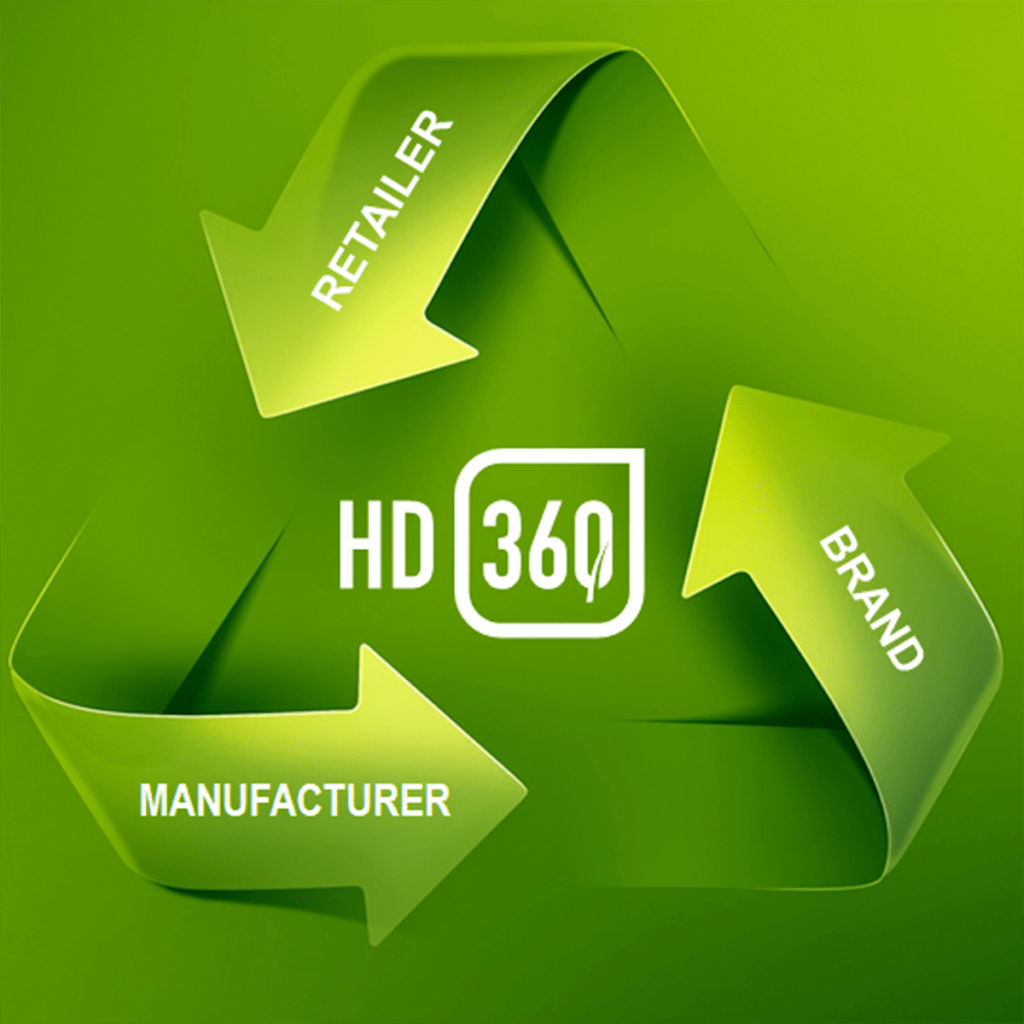
At Hughes Decorr, sustainable packaging is approached through material efficiency, structural performance, and responsible sourcing. Through the HD360 sustainability process, packaging solutions are developed with consideration for retailer sustainability standards, brand sustainability goals, materials, manufacturing processes, and operational efficiency.
Award-winning packaging and retail solutions support environmental goals while maintaining product protection, supply chain reliability, and consistent retail execution.
What Sustainable Packaging Means in Practice
Sustainable packaging considers the full lifecycle of a package, from material selection through to end-of-life.
Effective solutions reduce material usage, support recyclability, and maintain the strength required for distribution and retail handling. Packaging performs consistently while supporting broader sustainability goals.

How Sustainability and Performance Work Together
Sustainable packaging programs are most effective when environmental improvements are integrated into functional design and aligned with retailer sustainability goals.

At Hughes Decorr, packaging solutions are developed to:
- Optimize material usage while maintaining durability
- Support product protection throughout transit
- Maintain consistent performance across supply chains
- Deliver reliable retail-ready functionality
Packaging meets sustainability objectives while continuing to perform across every stage of the supply chain.
Designing Packaging for Supply Chain and Retail Performance
Sustainable packaging must perform consistently across every stage of the supply chain and within retail environments.
At Hughes Decorr, development focuses on how packaging functions across distribution, handling, and in-store execution.
Key considerations include:
- Material efficiency, reducing excess while maintaining strength
- Structural performance, supporting stacking and transportation
- Supply chain compatibility, integrating into existing systems
- Retail functionality, ensuring ease of handling and display
Packaging supports operational efficiency, reliable product protection, and consistent shelf presentation.
Why Corrugated Packaging Works for Retail-Ready Applications
Corrugated packaging plays a central role in sustainable packaging strategies.
Corrugated materials are widely recyclable and can be sourced through responsible forestry practices, supporting sustainable packaging programs. The structure delivers reliable protection while supporting efficient material usage and clear brand communication across a wide range of packaging applications.
Evaluating Sustainability Across the Packaging Lifecycles
Sustainability is strengthened by evaluating packaging beyond materials alone.
At Hughes Decorr, solutions are assessed based on:
- Material optimization
- Transportation efficiency
- Product protection
- End-of-life recyclability
- Alignment with evolving EPR and retailer sustainability requirements
Packaging programs support measurable environmental improvements while maintaining performance across distribution and retail.

From Sustainable Design to Consistent Execution
Sustainable packaging supports environmental goals while maintaining operational reliability.
Aligned material selection, structural design, and lifecycle considerations allow packaging to perform consistently across the supply chain and at retail.

Ready to Advance Your Sustainable Packaging Strategy
Sustainable packaging supports performance, efficiency, and long-term environmental goals.
Connect with Hughes Decorr to explore how packaging solutions can be developed to align with sustainability objectives, retailer expectations, and operational performance requirements across every stage of the supply chain.

Stay Connected With Us