

From Shelf to Cart: How POP Display Design Drives Shopper Conversion and Impulse Purchases
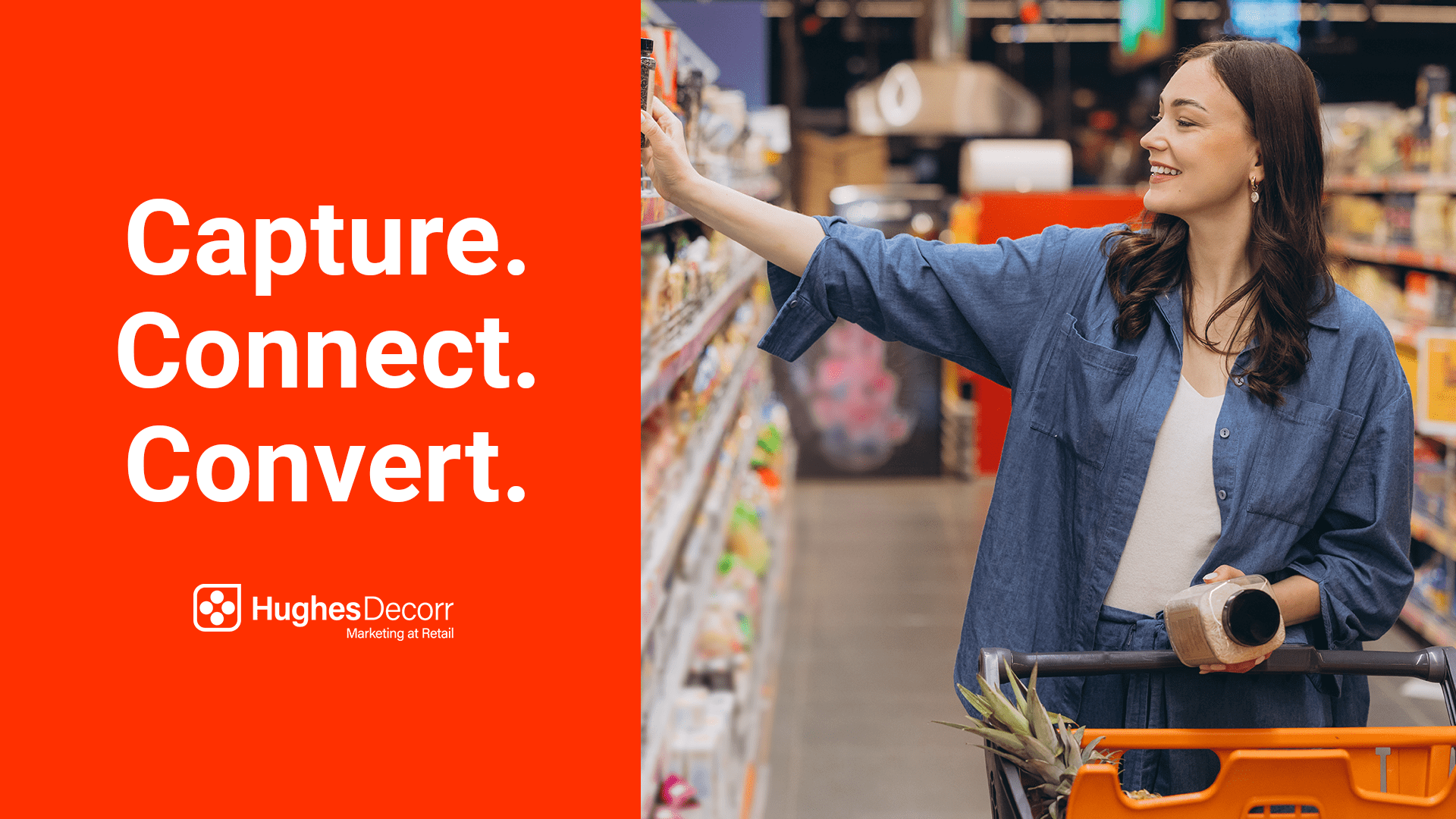
Capturing Attention in Crowded Retail Environments
Retail environments are increasingly competitive, with brands competing for shopper attention across every aisle, end-cap, and promotional space.
POP display design plays an important role in helping products stand out, communicate key messages, and encourage shopper engagement. Effective displays help guide shoppers through the shopping journey while supporting stronger retail execution.
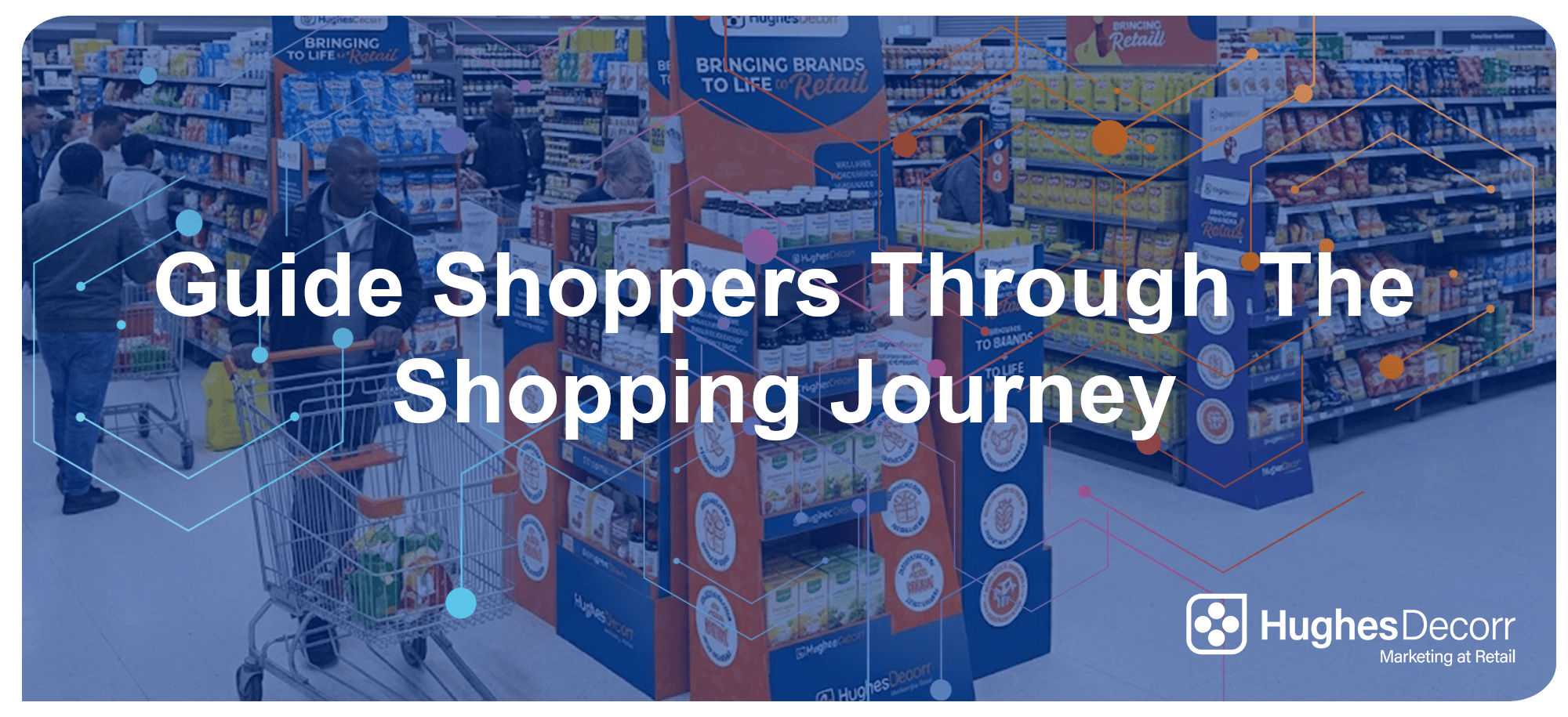
When strategically developed, POP displays can influence product visibility, shopper interaction, and purchasing decisions at the point of sale.
What Influences Shopper Purchasing Decisions?
Many purchasing decisions occur while shoppers are actively navigating the store.
Shopper behaviour is often influenced by:
- Product visibility
- Display placement
- Message clarity
- Product accessibility
- Promotional relevance
Displays that effectively capture attention can create opportunities for increased engagement and impulse purchases.

Turning Product Visibility into Shopper Conversion
POP displays are designed to help products stand out within busy retail environments.
Successful display programs help:
- Increase brand visibility
- Support product discovery
- Communicate key messages
- Improve shopper engagement
- Differentiate products from competing brands
When display structure, graphics, and merchandising work together, brands are better positioned to capture shopper attention.y stage of the supply chain.
Balancing Creativity with Retail Performance
Display concepts must do more than look visually appealing. They must perform within retail environments while supporting retailer requirements, merchandising objectives, and shopper engagement.
Key considerations include:
Structural Design
Creating displays that support both visual impact and operational performance.
Product Accessibility
Ensuring products remain easy to shop and replenish.
Message Hierarchy
Presenting information in a clear and effective sequence.
Retail Compatibility
Designing displays that align with retailer requirements and merchandising objectives.
These elements help improve display effectiveness while supporting consistent execution at retail.
Testing Display Performance Before It Reaches Retail
Creative concepts are only successful when they perform in-store.
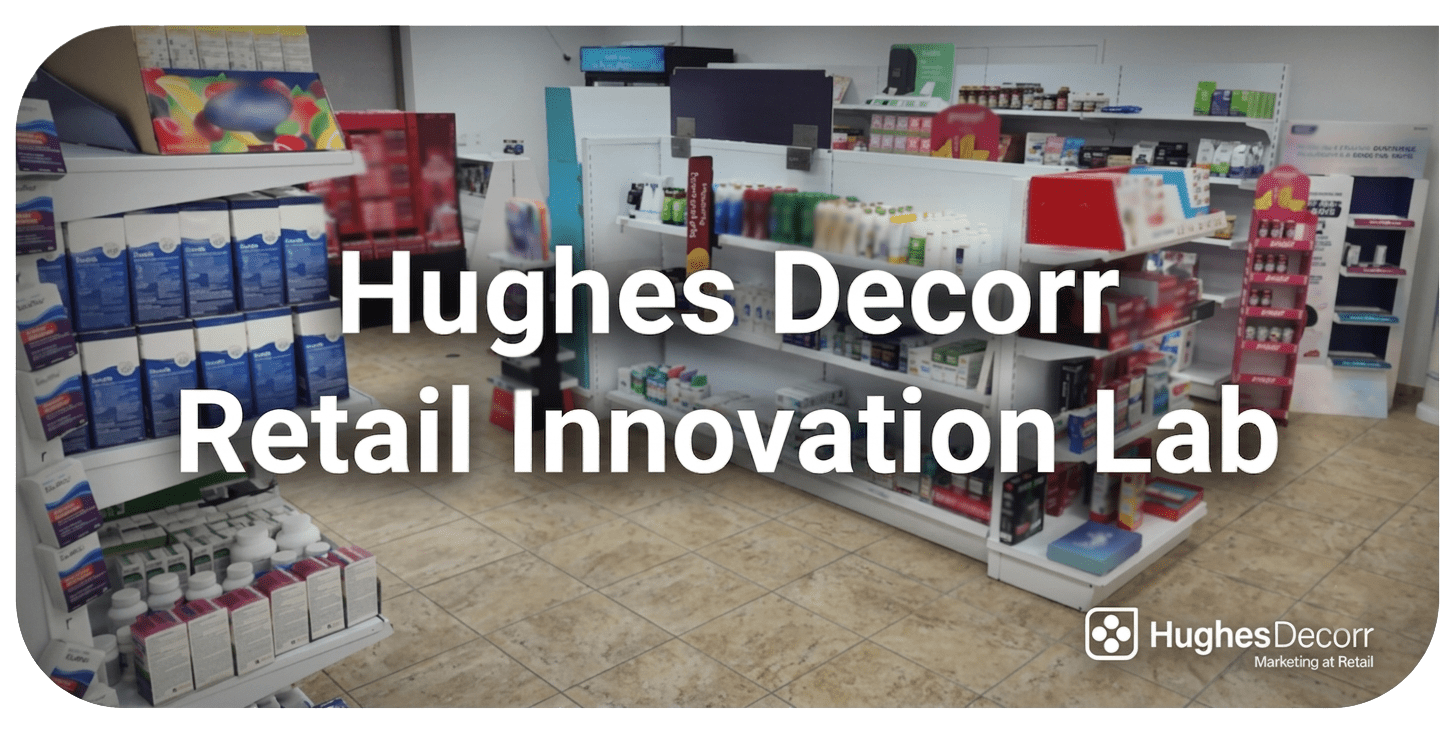
At Hughes Decorr, display concepts are evaluated within the Retail Innovation Lab, a simulated retail environment designed to assess display performance before production.
Creative concepts are only successful when they perform in-store.
At Hughes Decorr, display concepts are evaluated within the Retail Innovation Lab, a simulated retail environment designed to assess display performance before production.
Transforming Display Concepts into Retail Reality
At Hughes Decorr, display development combines shopper insights, structural engineering, creative design, and retail validation.

Our approach focuses on:
Shopper-Centric Design
Creating displays that support engagement and product visibility.
Structural Innovation
Developing display solutions that balance creativity with functionality.
Retail Validation
Assessing concepts within realistic retail environments before launch.
Manufacturing and Execution
Supporting efficient production and retail implementation.
How Effective POP Displays Drive Results
POP display design does more than showcase products. It helps influence shopper behaviour, strengthen brand visibility, and support purchasing decisions at the point of sale.
When structural design, merchandising strategy, and retail validation work together, displays become an important tool for driving retail performance.
Ready to Create a More Effective Retail Display Program?
Successful retail display programs begin with understanding how shoppers interact with products in-store.
Connect with Hughes Decorr to learn how POP display design, retail validation, and structural innovation can help improve visibility, strengthen shopper engagement, and support retail success.

Stay Connected With Us