
PACKAGING INSIGHTS
Why Structural Packaging Design Matters Beyond Product Protection

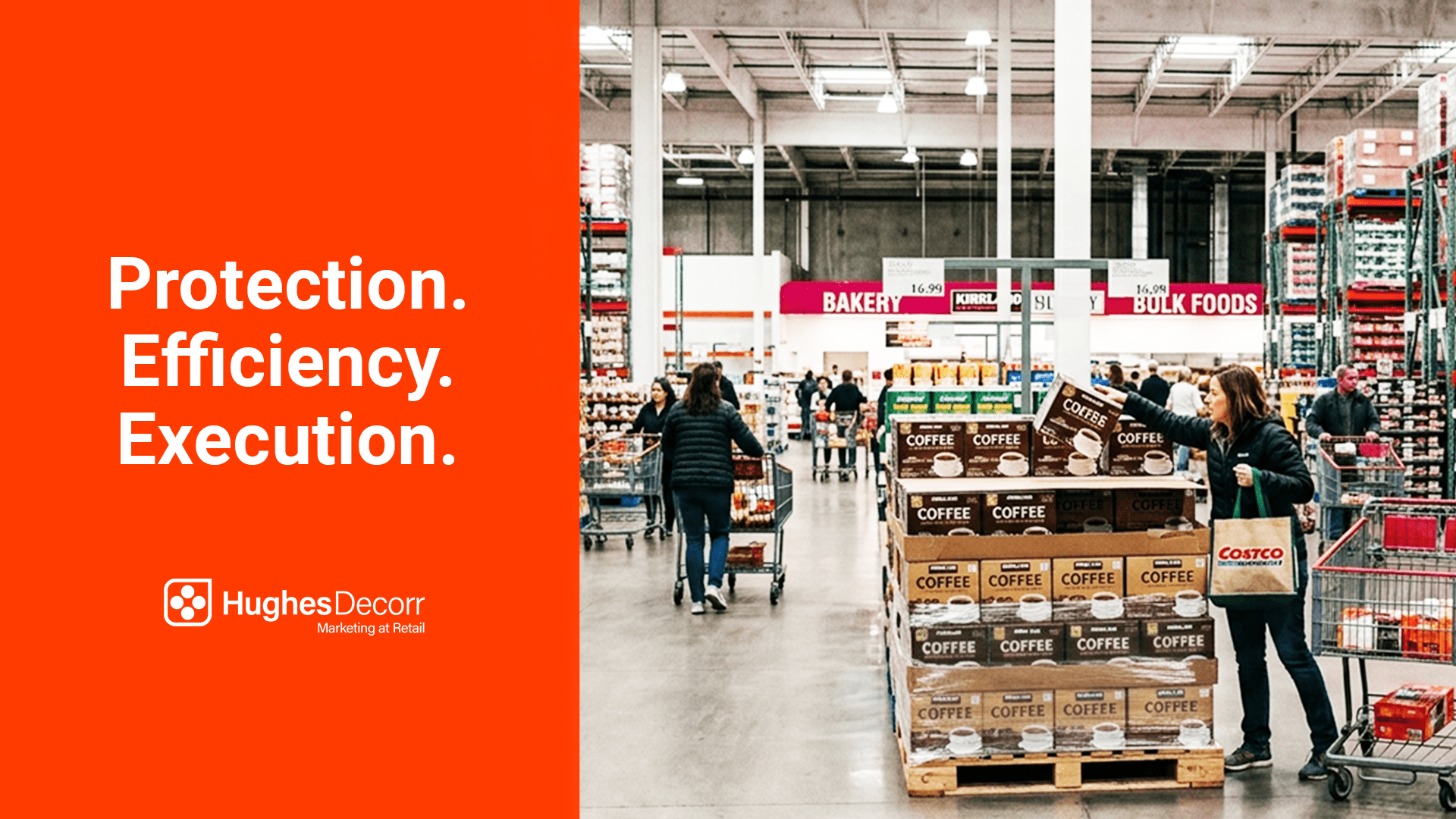
Most packaging conversations start and end with one question: does it protect the product? That’s the wrong question to stop at. Structural design determines how much material you use, how many units fit on a pallet, how fast a case opens on the retail floor, and how many units survive the trip without damage.
Get it right, and cost comes out of the supply chain while performance goes up off the shelf. Get it wrong, and you pay for it in freight, chargebacks, and rework, long after the design is locked.
What Structural Design Actually Controls
● Compression strength – whether a case holds its shape under stacking and weight through transport and storage.
● Material usage – right-sizing structure to cut cost and waste without weakening the pack.
● Pallet and cube efficiency – how many units fit per pallet and per truck, which drives freight cost directly.
● Retail-readiness – whether a case opens, displays, and restocks without extra labour at store level.
These aren’t design preferences. They show up directly in freight invoices, chargeback reports, and store execution scores.

Validate Before You Commit To Production
The mistake most brands make is approving packaging on a screen and finding out what’s wrong with it on the loading dock. At Hughes Decorr, structural concepts are pressure-tested before a single production run is committed, using Shock, Compression, Vibration, Incline Impact, and Rotational Edge Drop testing to see how a design holds up under real handling and transport conditions, not just how it looks in a rendering.
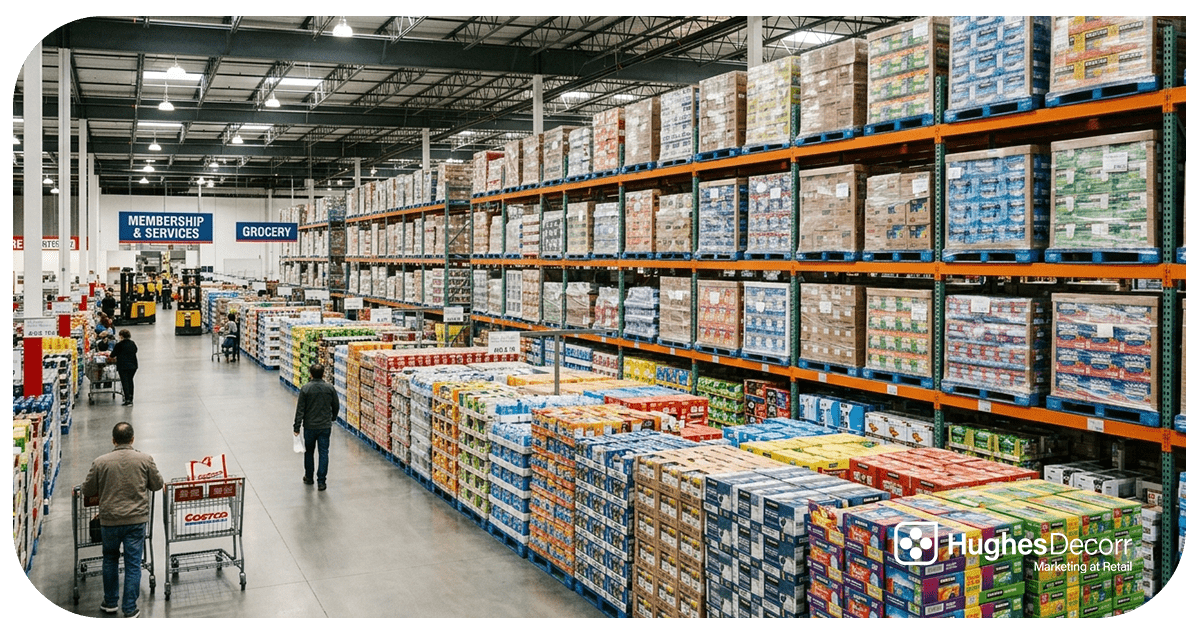
That validation step is also where material gets optimized: identifying where structure can be reduced without compromising strength, and where it can’t.
Built for Retailers With the Highest Bar
Few retailers hold packaging to a higher structural standard than Costco. As a Costco-Approved packaging partner, we work inside their evolving POP, packaging, and palletization requirements every day, where damage, tearing, or inefficient pallet cube isn’t a design note, it’s a chargeback.
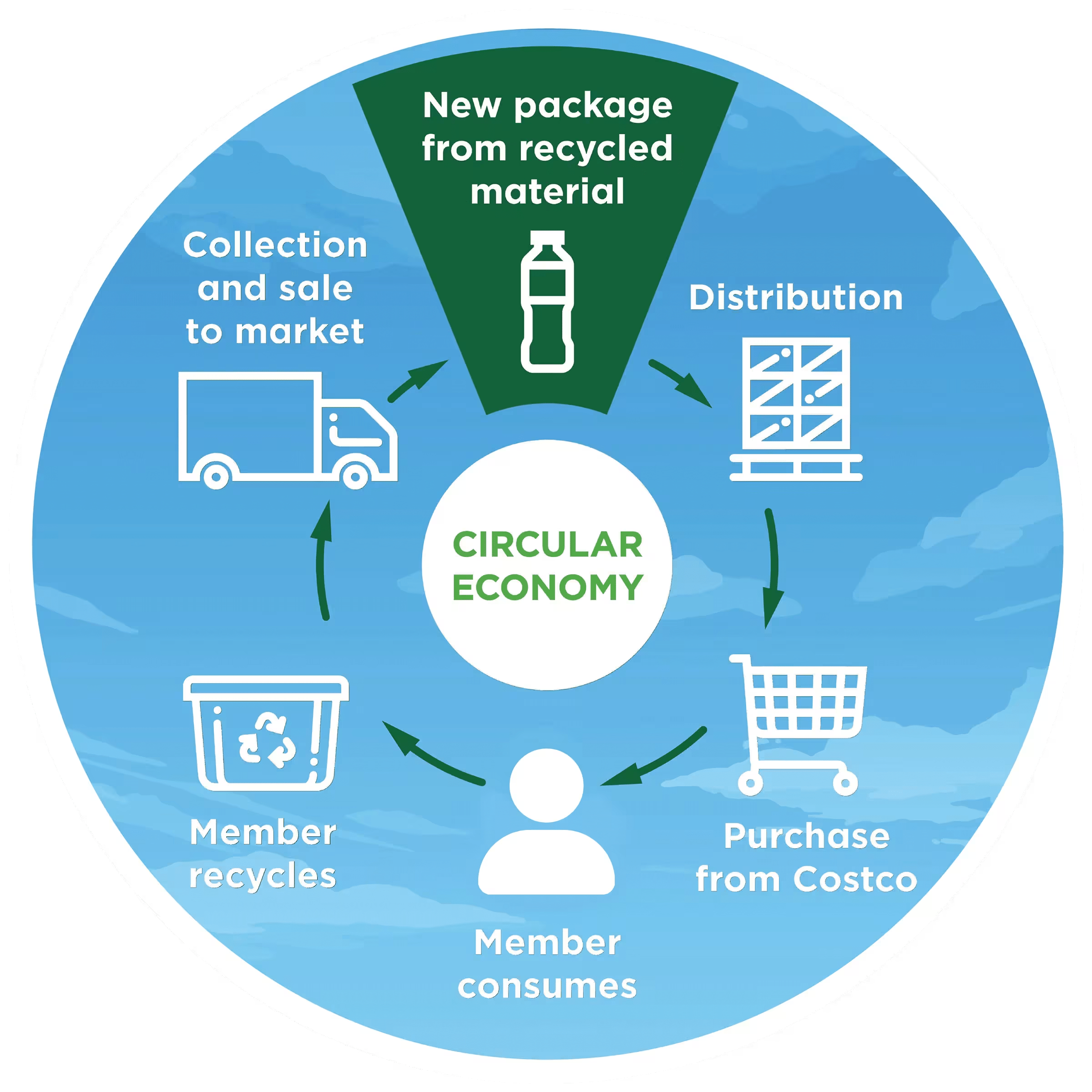
We’re also well versed in Costco’s 6 Rights of Packaging Sustainability: the right reduction, the right amount of post-consumer recycled content, the right fibre, the right recyclability, the right compostability, and the right labelling. It’s a useful framework beyond Costco too, because it forces the same question this article keeps coming back to: is the structure doing exactly what it needs to, with nothing extra?
Proof This Approach Works
We built the EcoPackLock™, a proprietary multi-pack locking system made from recycled corrugated material that eliminates plastic handles entirely, proof that structural engineering and sustainability can move in the same direction instead of trading off against each other.
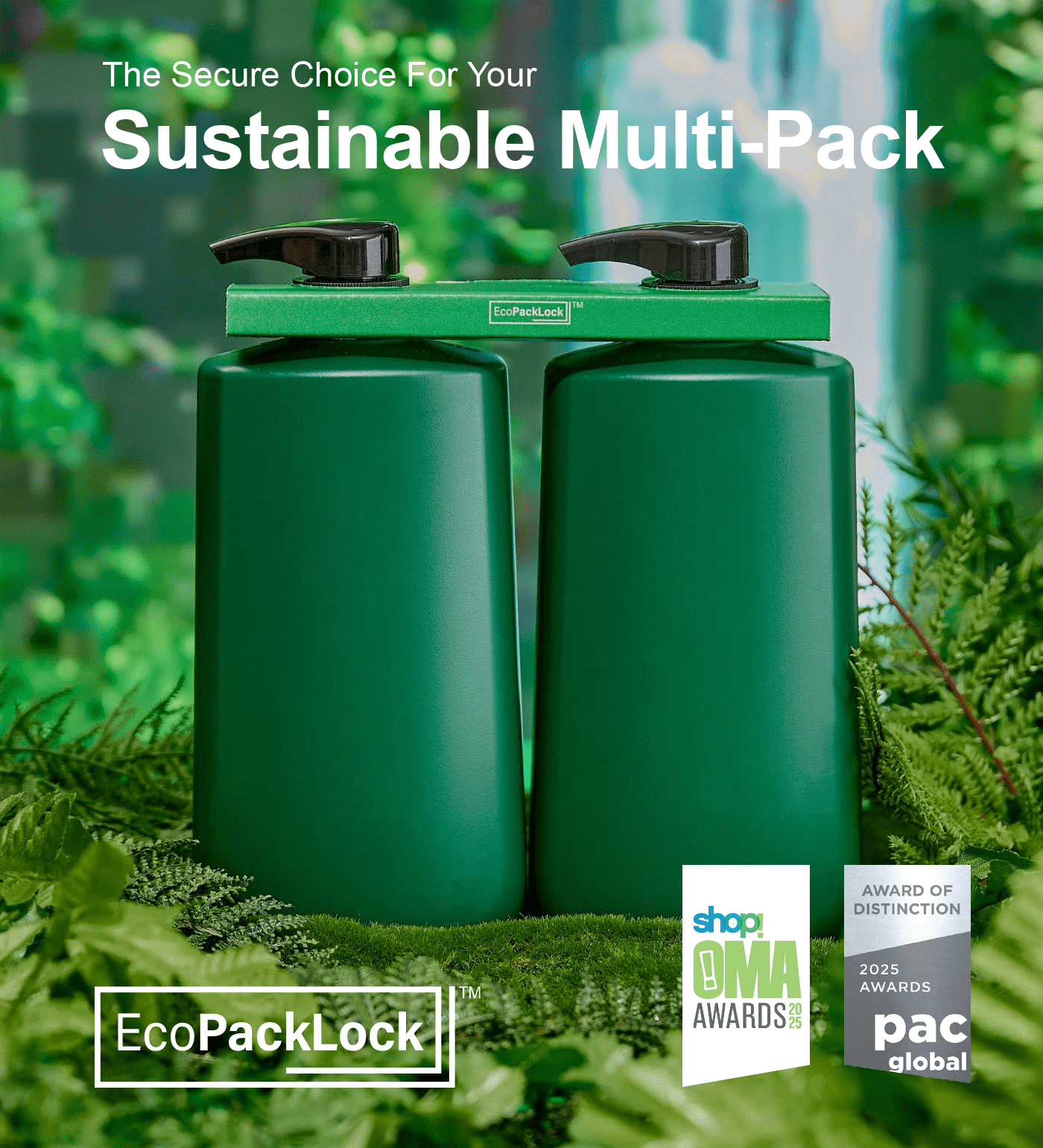
That approach was recognized with a Best-in-Class win at the 2025 PAC Global Awards for a sustainable packaging design achieving measurable carbon reduction, validation from outside our own walls that the process holds up.
It’s also backed by certifications that matter to the people evaluating a packaging partner: FSC chain-of-custody, EcoVadis and Sedex accreditation. These aren’t decorative logos, they’re the checks a retailer’s compliance team looks for before packaging gets on their shelf.
Better Structural Design Is A Business Decision
Structural packaging design isn’t a downstream detail. It’s where cost, sustainability, and retail performance either reinforce each other or work against each other. The brands that treat it that way build packaging programs that hold up in the real world, not just in a design review.
Ready to Pressure-Test Your Packaging Structure?
If your current packaging hasn’t been evaluated for material efficiency, pallet cube, or retail-readiness, there’s likely room to improve without touching your brand experience.

Stay Connected With Us